

WINTER DOG CARE GUIDE
Do dogs really need winter coats? How cold is too cold for your dog?
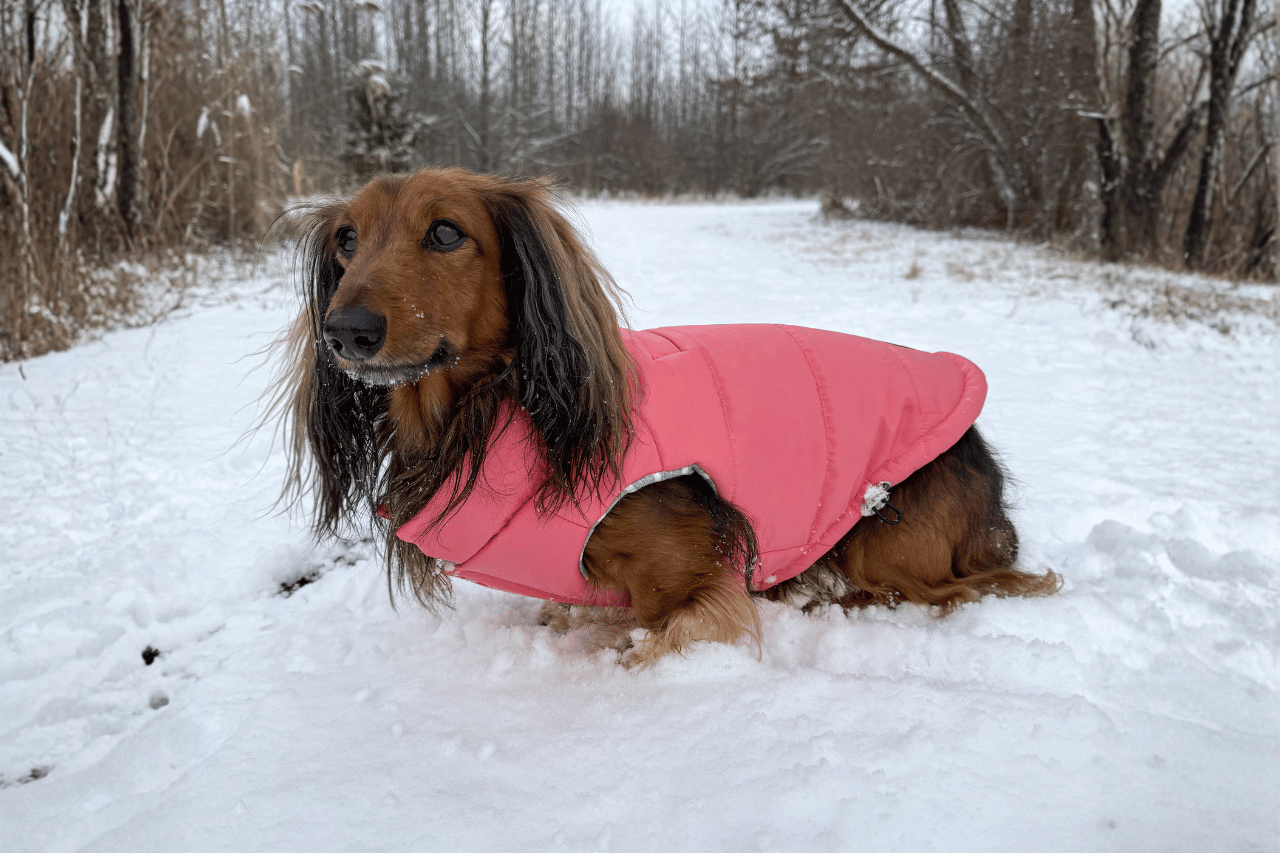
These are questions we hear every winter when temperatures drop. They're also questions we asked ourselves when we got our dachshund puppy 10 years ago during a very cold winter season in New York.
While some dog breeds were born for snow, most family dogs feel the cold much sooner than people realize — especially small dogs, short-haired dogs, puppies, and senior dogs.
In this DJANGO guide, we’ll walk through how to tell when it’s too cold for your dog, which pups are most sensitive to low temperatures, and seven practical ways to keep your dog warm, safe, and comfortable all winter long.
This article is brought to you by DJANGO, a USA-based dog accessories and apparel brand designing high-quality, adventure-ready gear for dogs and dog parents. Ready to gear up for winter? Explore our 5-star rated winter dog coats and cold-weather dog apparel.
Fit help (fast): Not sure which coat style or size is right for your dog? Our USA-based team helps customers choose the best fit every day. Email us at hello@djangobrand.com with your dog’s breed, weight, back length (neck to base of tail), and chest girth (if you know it).

How cold is too cold for dogs?
There isn't one temperature that's too cold for every dog. A small, short-haired dachshund may start shivering on a chilly fall morning, while a thick-coated Husky might be perfectly comfortable in the snow.
As a general guideline, some cold-sensitive dogs begin feeling chilly when temperatures drop below approximately 45–50°F (7–10°C). Small dogs, short-haired breeds, puppies, and senior dogs are especially vulnerable.
As temperatures approach freezing (32°F / 0°C), prolonged exposure can become uncomfortable or potentially unsafe for more dogs, particularly in windy or wet conditions. Below 20°F (−7°C), the risk of cold-related health problems, including hypothermia and frostbite, becomes a greater concern—especially with extended time outdoors.
The bottom line? Your dog's size, natural coat, age, health, and activity level all influence how well they tolerate the cold. Wind, moisture, and time outdoors also matter. A well-fitting winter coat can help keep cold-sensitive dogs comfortable, but it isn't a substitute for limiting exposure in dangerously cold weather. For more cold-weather safety guidance, see the American Veterinary Medical Association (AVMA) and the ASPCA.
Dogs' cold tolerance depends on several factors:
- Size and body fat: Small dogs and lean breeds lose heat faster.
- Coat type: Double-coated dogs tolerate cold better than short-haired or single-coated breeds.
- Age and health: Puppies, seniors, and dogs with medical conditions feel cold more quickly.
- Wind and moisture: Wind chill and damp fur make temperatures feel much colder than the number on the forecast.
When in doubt, err on the side of caution: shorten walks, bundle your dog in a well-fitting winter dog coat, and keep a close eye on your pup's body language. If you are uncomfortably cold outside, pay close attention to your dog's comfort and consider heading home.

Winter temperature guide: when dogs need a coat
This quick reference helps dog parents decide when to add a layer. Always factor in wind, moisture, and your dog’s age, coat type, size, and overall health.
These temperature ranges are general guidelines, not strict safety cutoffs. Your dog's individual cold tolerance—and factors like wind, moisture, and time spent outdoors—should always guide your decisions.
-
50–45°F (10–7°C):Some small, short-haired, senior, or otherwise cold-sensitive dogs may begin feeling chilly. Consider a lightweight jacket or cozy dog hoodie if your pup seems uncomfortable.
-
45–35°F (7–2°C):Cold-sensitive dogs often benefit from a lightweight puffer or insulated jacket, particularly on windy or damp walks.
-
35–20°F (2 to −7°C):As temperatures approach and fall below freezing, a warm, insulated coat can help protect cold-sensitive dogs. Monitor your dog's comfort closely and shorten walks as needed.
-
Below 20°F (−7°C):The risk of cold-related health problems increases, especially with prolonged exposure. Keep outings brief, watch for signs of discomfort, and use protective clothing and paw gear when appropriate.
-
Below 10°F (−12°C):Extreme cold can be dangerous even for cold-tolerant breeds. Avoid extended outdoor exposure, and limit outings to essential breaks when conditions are severe.

Which dogs feel the cold fastest?
Some dogs can happily romp in the snow for hours, while others start shivering as soon as they step outside. Dogs that are most vulnerable to cold weather include:
- Short-haired or single-coated breeds like dachshunds, Chihuahuas, pit bulls, Boston terriers, Jack Russell terriers, French bulldogs, and greyhounds.
- Toy and small breed dogs who lose body heat quickly due to their small size.
- Dogs with short legs (hello, low riders!) whose bellies are closer to cold, wet ground and snow.
- Puppies, whose bodies are still developing and regulating temperature.
- Senior dogs and dogs with arthritis, joint issues, or chronic illness.
- Dogs accustomed to warm climates who are suddenly exposed to harsh winter weather.
For cold-sensitive dogs, a well-fitting winter coat is much more than a cute accessory. It's a practical way to add warmth and comfort on chilly walks, especially when paired with shorter outings and protection from wind, rain, and snow. A dog hoodie is another comfortable option for a lighter layer.
Related reading from the ASPCA: Cold weather safety tips
How to Keep Your Dog Warm in Winter: 7 Practical Tips
1. Use insulating winter dog coats and layers
High-quality dog coats and jackets are one of the easiest and most effective ways to keep your pup warm. They help protect your dog’s chest, belly, and core—areas that lose heat quickly in snow, wind, and slush.
Layering works beautifully for many dogs, just like it does for us. For example:
- Start with a soft, comfy dog hoodie or sweater.
- Add an insulated, weather-resistant winter dog coat or puffer jacket on top.
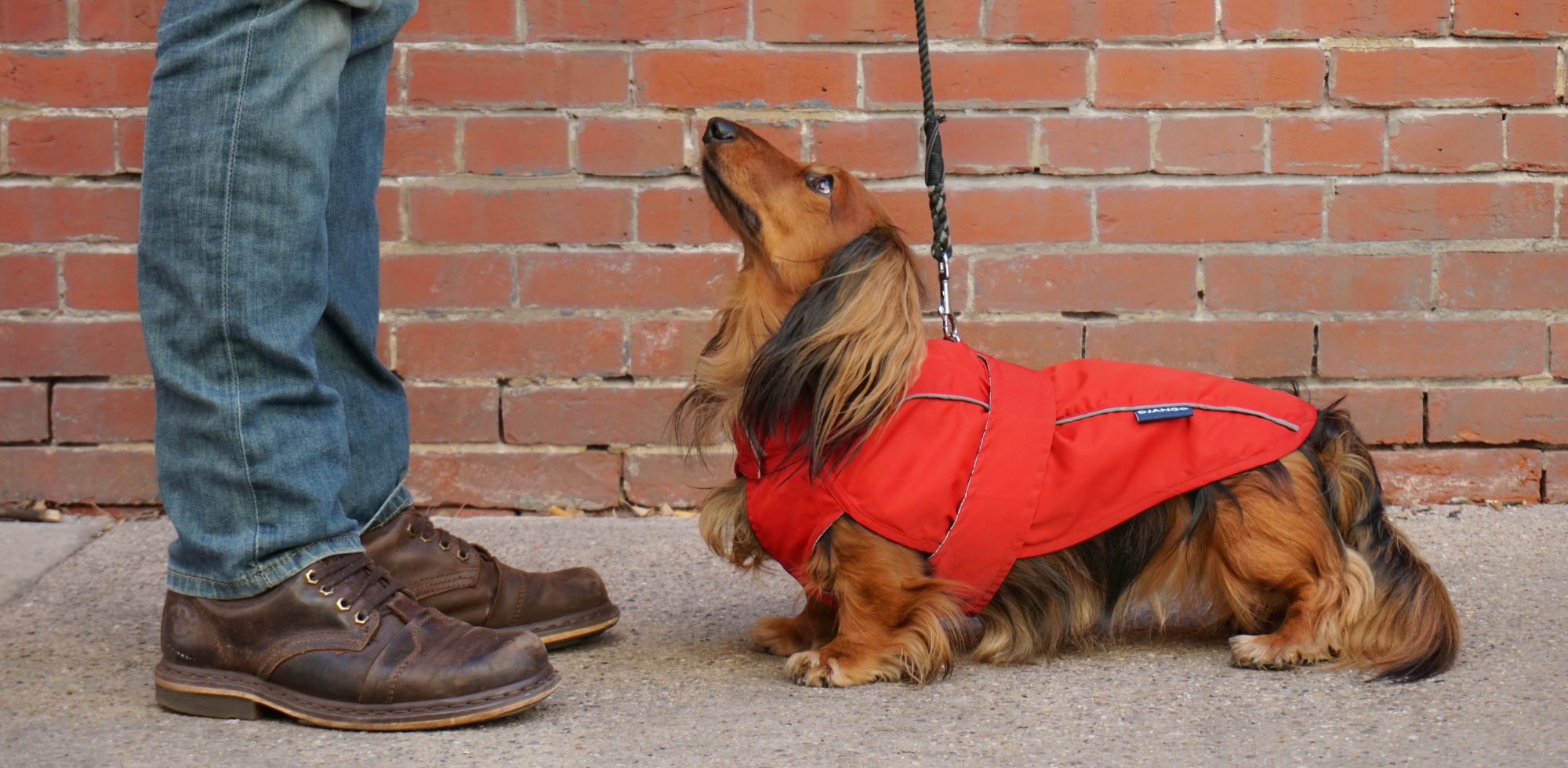
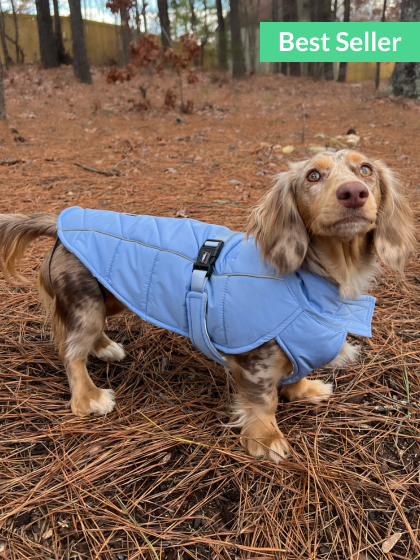
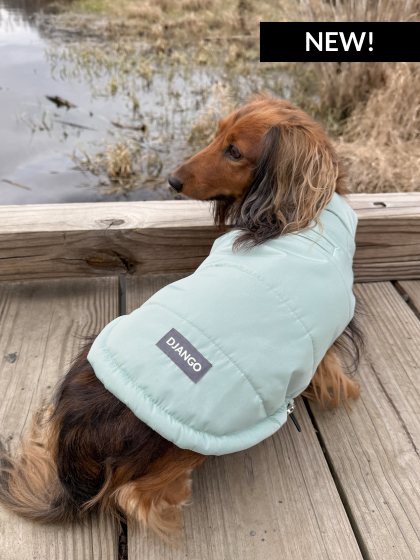
DJANGO’s winter dog coats—like the adjustable Whistler Winter Dog Coat, ultra-insulated Snowline Puffer Dog Coat, and versatile Reversible Puffer Dog Coat—are designed to keep dogs warm without restricting movement or rubbing sensitive areas.
Shop DJANGO Puffer Coats2. Protect paws from ice, salt, and snow
Even though dogs have a clever paw “radiator” system that helps warm blood returning to the body, their paw pads are still vulnerable to extreme cold, ice, and chemical deicers. Snow and ice can pack between toes, while road salt can sting, crack pads, and be toxic if licked.
To protect your dog’s paws in winter:
- Use well-fitted winter dog boots or rubber booties for snowy, icy walks.
- If your dog refuses to wear winter boots, consider an all-natural paw protectant like this highly rated paw balm
- Avoid heavily salted sidewalks when possible.
- After each walk, rinse or wipe paws with warm water to remove salt and ice, and gently dry them.
Not sure which boots to try? We rounded up our favorite options in this guide: The Best Dog Boots & Paw Protectors for Winter Adventures.
3. Limit time outside on frigid days
On particularly bitter days, even the toughest, snow-loving dogs can get too cold. When temperatures plunge or wind chill is extreme, trade long walks for shorter potty breaks plus indoor play.
Ideas for indoor winter exercise:
- Play fetch down a hallway or in a safe, open room.
- Try tug-of-war, puzzle toys, or snuffle mats.
- Engage your dog with obedience sessions to burn mental energy.
Short, frequent outings in a warm dog coat are much safer than one long, uncomfortable walk in dangerous conditions.

4. Dry your dog thoroughly after walks
Cold plus wet is a rough combination for dogs. If your pup comes home damp from snow, sleet, or rain, take a few minutes to dry them off thoroughly—especially their paws, legs, chest, and belly.
Simple steps:
- Keep a clean towel by the door for quick rub-downs.
- Remove any clumps of ice or packed snow from fur and paws. If the snow is really stuck in their fur, consider rinsing them in a large sink (for small pups like our doxie) or bathtub (large pups)
- Check for redness or irritation between toes and around paw pads.
Tip for snowy paws: a warm bowl of water by the door makes it easy to clean paws quickly of ice, deicers, and road salt. Make sure to then dry your dogs' paws thoroughly to prevent chills and irritation.
5. Keep your dog warm and cozy indoors
Many homes run cooler at night or during the workday, which can be uncomfortable for small dogs, seniors, and short-haired breeds. A little extra warmth goes a long way for their comfort and joint health.
To keep your dog warm inside:
- Provide a well-insulated bed away from drafts, doors, and cold tile floors.
- Consider a lightweight dog hoodie or sweater if indoor temperatures are low.
- Use space heaters and fireplaces carefully, and keep them blocked off from curious noses and tails.
Many DJANGO customers leave our dog hoodies or soft coats on their pups indoors during particularly cold spells for that extra layer of comfort.
6. Watch hydration, nutrition, and calorie needs
We tend to think of dehydration as a summer problem, but it’s just as common in winter. Heated indoor air can be very drying, and dogs may be less inclined to drink when their water bowl feels icy cold.
Make sure your dog always has access to fresh, room temperature water. If your pup is highly active outside in wintry conditions—snow zoomies, hikes, or long runs—ask your veterinarian whether a small increase in calories or dietary fat is appropriate during the coldest months.
On the flip side, dogs who exercise less in winter may actually need fewer calories to avoid unwanted weight gain. Your vet can help you find the right balance for your dog’s age, breed, and activity level.
7. Learn the early signs of cold stress and hypothermia
Dogs can’t tell us with words when they’re too cold, so it’s important to watch their body language closely. Some early signs that your dog is getting too cold include:
- Shivering or trembling (not just excitement)
- Lifting paws, hopping, or hesitating on icy ground
- Curled-up posture, hunched back, or tucked tail
- Slowing down, refusing to walk, or trying to turn back home
More serious signs of hypothermia can include extreme lethargy, confusion, difficulty walking, pale gums, or collapse. If you suspect hypothermia, bring your dog somewhere warm, wrap them in dry blankets, and seek immediate veterinary care. Warm your dog gradually, and never apply direct heat, such as a heating pad, to their skin.
For more vet-reviewed info on hypothermia in dogs, see: PetMD – Hypothermia in Dogs: Signs and Treatment.
When in doubt, it’s always better to shorten the walk, warm up your dog, and reschedule outdoor adventures for a safer time of day or better weather.

Additional DJANGO winter dog safety resources
About DJANGO
DJANGO designs premium dog coats, harnesses, leashes, carriers, and all-weather apparel for everyday adventures. Inspired by an adventure-loving dachshund named Django, our brand focuses on comfortable fits, durable materials, and modern, city-to-trail style.
Our winter dog coats—including the Whistler Winter Dog Coat, Snowline Puffer Dog Coat, and Reversible Puffer Dog Coat—are thoughtfully crafted to keep dogs warm and comfortable without restricting movement, rubbing sensitive areas, or riding up during play.
Shop DJANGO Dog CoatsKey takeaways: keeping your dog warm this winter
- If it feels painfully cold outside, shorten the walk and watch your dog for signs of cold stress—even with a coat.
- Short-haired, small, senior, and low-to-the-ground dogs are especially sensitive to cold temperatures.
- Use insulated winter dog coats, hoodies, and boots when appropriate.
- Protect paws from ice, snow, and road salt, and always dry your dog thoroughly after walks.
- Shorten walks on frigid days, offer indoor play, and watch for early signs of cold stress.
- Talk with your veterinarian about your dog’s winter calorie and hydration needs.
For more protection on winter walks, explore our collection of cold-weather dog coats, jackets, and hoodies designed for dogs of all shapes, sizes, and breeds.
Shop All Winter Dog ApparelWinter Dog Coat & Cold Weather FAQs
How cold is too cold for dogs?
There is no single temperature that's too cold for every dog. Some cold-sensitive dogs may begin feeling chilly around 45–50°F (7–10°C), while others comfortably tolerate much lower temperatures. As temperatures approach freezing and below, cold exposure becomes a greater concern, especially for small, short-haired, senior, or medically vulnerable dogs. Wind, moisture, and time outdoors also affect your dog's safety.
When do dogs need a winter coat?
Small, short-haired, senior, and other cold-sensitive dogs may benefit from a winter coat when temperatures drop below approximately 45–50°F (7–10°C). As temperatures approach freezing, an insulated coat can provide additional warmth and comfort. Thick-coated, cold-adapted breeds may not need the same protection. Always consider your dog's individual needs, the weather conditions, and their behavior.
What is a good winter temperature guide for dogs?
As a general guideline:
- 50–45°F (10–7°C): Some cold-sensitive dogs may feel chilly; consider a lightweight jacket or hoodie if needed
- 45–35°F (7–2°C): Cold-sensitive dogs often benefit from a lightweight puffer or insulated jacket
- 35–20°F (2 to −7°C): A warm, insulated coat can help cold-sensitive dogs; shorten walks as needed
- Below 20°F (−7°C): Keep outings brief and monitor for cold-related discomfort
- Below 10°F (−12°C): Avoid extended outdoor exposure, especially in severe conditions
Always factor in wind, moisture, time outdoors, and your dog’s individual needs. These are guidelines, not strict safety cutoffs.
Which dogs feel the cold fastest?
Dogs most vulnerable to cold weather include small dogs, short-haired or single-coated breeds, low-to-the-ground dogs, puppies, senior dogs, and dogs with arthritis or other medical conditions. Dogs accustomed to warm climates may also struggle more in winter temperatures.
How can I tell if my dog is too cold on a walk?
Common signs include shivering, lifting paws or hopping on icy ground, a tucked tail or hunched posture, slowing down, refusing to walk, or trying to turn back home. If you notice these signs, head inside, warm your dog up, and shorten future outings.
What are signs of hypothermia in dogs?
More serious signs may include extreme lethargy, weakness, confusion, difficulty walking, and pale gums. If you suspect hypothermia, bring your dog indoors immediately, dry them, warm them gradually with blankets, and contact a veterinarian right away.
Do dogs need paw protection in winter?
Paw pads can be irritated by ice, packed snow, and deicing salts. Boots can help on icy or heavily salted routes, and paw balm may help some dogs. After walks, rinse or wipe paws to remove salt and grit, then dry thoroughly — especially between toes.
How do I choose the right size winter dog coat?
Measure your dog’s chest girth and back length (neck to base of tail), and consider breed and body shape. A well-fitting coat should cover the core without restricting movement or rubbing. If you need help, email hello@djangobrand.com with your dog’s breed, weight, chest girth (if you know it), and back length.