


When temperatures drop, most dog parents worry about frozen paws, shivering bodies, and how long it is safe to walk outside. Our five winter dog facts explain how dogs really handle cold weather – from their clever paw “radiator” system to the way snow changes scent, wind chill, and even calorie needs.
This guide is brought to you by DJANGO, a USA dog accessories and apparel brand designing high-quality, adventure-ready gear for dogs and dog owners. Ready to gear up for winter? Shop our best selling and 5-star rated winter dog coats and cold-weather dog apparel. Every DJANGO apparel design is thoughtfully crafted to keep your pup warm, comfortable, and stylish on every winter outing and adventure.
Shop Winter Dog Coats5 Winter Dog Facts You Probably Didn’t Know
Winter dog safety: what most pet parents don’t realize
With frigid forecasts and icy sidewalks, it’s easy to assume that all dogs either “love the cold” or “hate it.” The truth is more interesting and more nuanced. Breed, coat type, age, health, wind, snow, and even activity level all affect how comfortable (or uncomfortable) your dog feels outside in winter.
Below, we’ll walk through five lesser-known winter dog facts so you can make smarter decisions about walk length, winter dog coats, and how to keep your pup safe and comfortable when the temperature drops.
Shop Puffer Dog Coats1. Your dog’s paws are mini winter-proof machines
Dogs’ paws have a clever built-in warming system. Thanks to something called countercurrent heat exchange, warm blood flowing down into the paws helps warm the cooler blood coming back up to the body. This helps keep paw pads at a safer temperature on icy ground and protects core body heat.
But this doesn’t mean paws are cold-proof. When dogs start lifting a paw, hopping, or hesitating on icy ground, it’s their way of saying, “Hey, this feels too cold for me.” Those small signs matter just as much as obvious shivering.
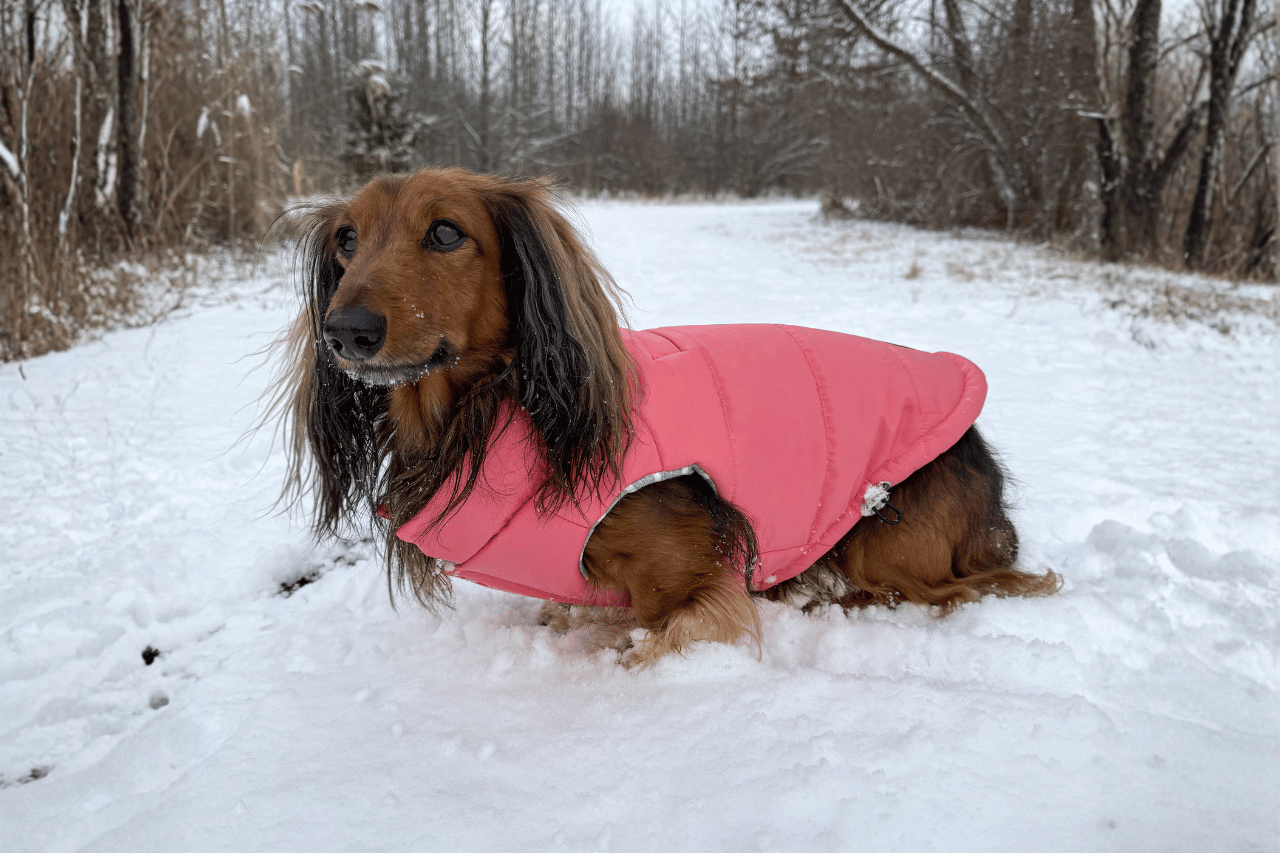
A dog’s chest and belly also lose heat quickly, especially in wind, slush, or deep snow. That’s one key reason why a well-fitting winter dog coat makes such a difference during the coldest months.
2. Shivering can start before a dog actually looks cold
Shivering isn’t always excitement or nerves. For many dogs, it’s one of the first ways they show they’re starting to feel chilly – long before they slow down or refuse to walk.
Shivering as an early sign of cold stress is especially common in:
- Thin-coated or short-haired breeds (like dachshunds, Boston terriers, Jack Russell terriers, Vizslas, pit bulls, and Chihuahuas)
- Puppies whose bodies are still developing
- Senior dogs with less muscle mass or joint issues
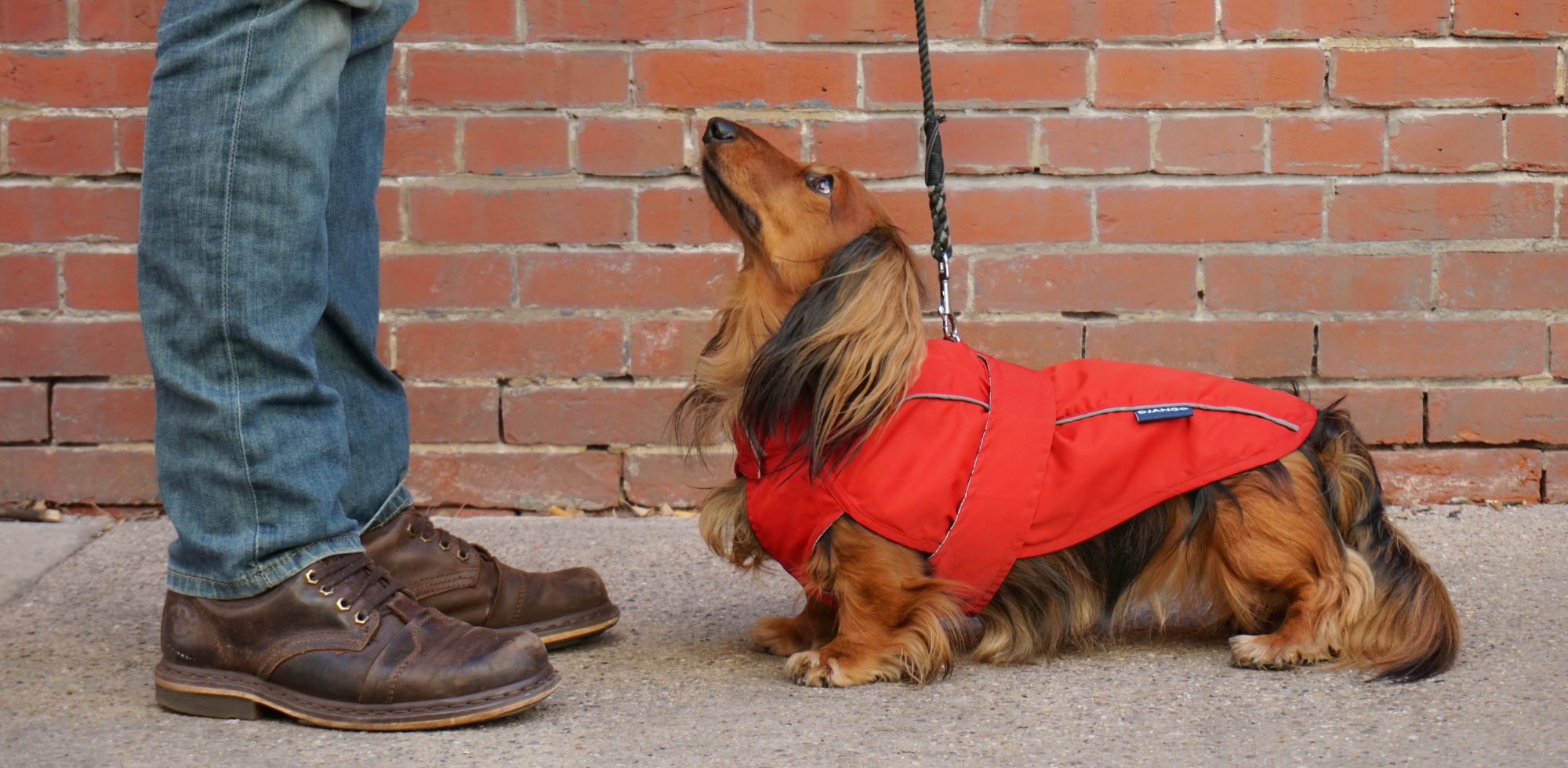
If your dog begins to shiver early in the walk, it’s simply a sign they could use some added warmth or a shorter outing. A comfortable winter jacket, layered dog hoodie, or insulated puffer coat can help many dogs enjoy cold-weather walks again.
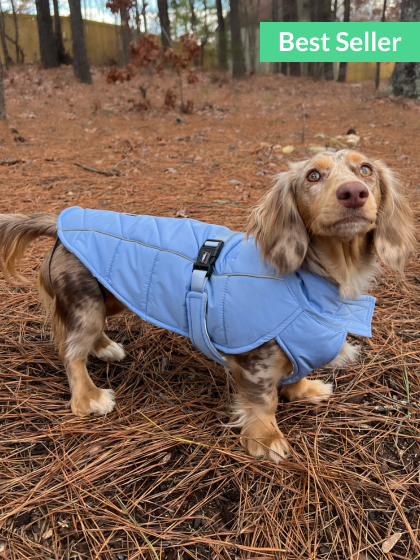
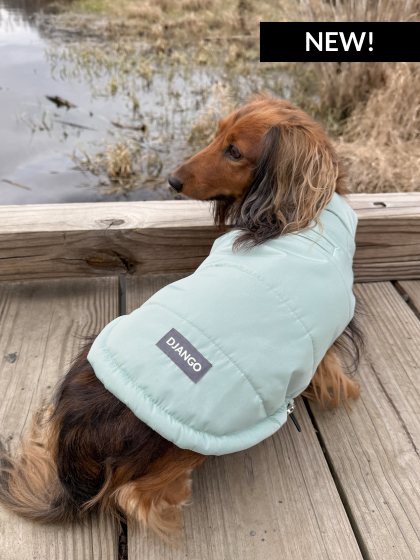
For extra coverage and adjustability around the chest and belly, many dog parents choose the Whistler Winter Dog Coat or a cozy DJANGO dog puffer coat for their pup.
3. Wind chill hits harder than snow
Fresh snow is often a lot of fun for many dogs. It can soften impact on joints, insulate their paws, and hold scent surprisingly well. That’s why so many pups zoom happily through a new snowfall.
Wind, however, is the real villain in winter weather. Wind pushes cold air through a dog’s fur and straight down to the skin, stripping away the insulating layer of warm air their coat normally traps. This happens much faster than most people realize.
Even dogs with naturally thick coats – like retrievers, shepherds, and huskies – can start shivering on windy days, especially if:
- The temperature is already low
- The air is damp or their fur is wet
- They are standing still instead of actively moving
On very windy days, consider shorter walks, more indoor enrichment, and a wind-blocking winter dog coat to help your pup stay comfortable. The Snowline Puffer Dog Coat and Reversible Puffer Dog Coat from DJANGO are both great options for dogs that need extra insulation and protection from wind chill.
Explore All Dog Apparel
4. Snow supercharges your dog’s sense of smell
Fresh snow actually makes the world more interesting for dogs. Snow crystals can trap and hold scent molecules, which means a new snowfall creates a whole landscape of intensified smells.
For many pups, a fresh blanket of snow turns the backyard or neighborhood park into a brand-new scent playground – full of exciting messages to sniff, track, and explore. That’s why you may notice your dog walking more slowly with their nose down after a snowstorm.
On days when the weather is safe but chilly, allowing extra time for sniffing in the snow is a great way to burn mental energy and give your dog a satisfying winter outing. Pair that extra sniff time with a warm, well-fitted winter coat so your dog stays comfortable and protected.
5. Dogs burn more calories in the cold
Cold weather naturally makes dogs burn more energy. Their bodies work a little harder to stay warm, just like ours do, which can slightly increase daily calorie needs during winter. This is especially relevant in very cold climates.
Highly active dogs – the ones who zoom through snow, go on long chilly hikes, or regularly play outside in low temperatures – may benefit from a touch more dietary fat or a modest increase in food (always in consultation with your veterinarian) during the coldest months to keep their energy steady.
On the flip side, dogs who exercise less in winter because of ice, limited daylight, or owner schedules may actually need fewer calories. Every dog and dog breed is different, and your vet can help you find the right balance for your pup.
Bonus: Cold-weather champion vs. least winter-equipped dog breeds
Cold-weather champion: the Samoyed
The Samoyed is a classic cold-weather working dog. Samoyeds have a thick double coat with hollow hairs that trap warm air close to the skin, acting like a natural thermal jacket.
These fluffy Arctic dogs were originally bred to live and work alongside people in subzero conditions and even help keep humans warm at night.
Least winter-equipped: the Xoloitzcuintli (hairless dog)
At the opposite end of the spectrum is the Xoloitzcuintli, or Xolo – a beautiful, elegant, and mostly hairless breed. With little to no insulating fur, Xolos lose body heat quickly and are extremely sensitive to cold temperatures.
Fun fact: in ancient Mesoamerica, Xolos were often used as living “heating pads” because their warm skin radiated heat. Today, they’re happiest with cozy sweaters, blankets, and very short trips outside in winter weather.
About DJANGO
DJANGO designs premium dog harnesses, leashes, carriers, and apparel for everyday adventures. Inspired by a real adventure-loving dachshund named Django, the brand focuses on comfortable fits, durable materials, and modern, city-to-trail style.
Our winter dog coats – including the adjustable Whistler Winter Dog Coat, the ultra-insulated Snowline Puffer Dog Coat, and the versatile Reversible Puffer Dog Coat – are designed to keep dogs warm without restricting movement or rubbing sensitive areas.
Shop All Dog Puffer CoatsKey takeaways for winter dog care
- Watch for early signs of cold stress such as shivering, paw lifting, or hesitation on icy ground.
- Remember that wind chill can make a moderate temperature feel dangerously cold, even for thick-coated breeds.
- Use winter dog coats, sweaters, and booties when appropriate – especially for short-haired, senior, or small dogs.
- Allow extra sniffing time in fresh snow for mental stimulation, as long as the weather is safe.
- Talk with your veterinarian about whether your dog’s calorie needs change during the coldest months.
For more protection on winter walks, explore our collection of insulated winter dog coats and cold-weather dog apparel designed for dogs of many sizes and breeds.
Shop All Winter Dog Apparel