









Disclosure: This article is sponsored by Maven Pet. Some links are affiliate links, meaning we may earn a small commission at no extra cost to you. We only share brands we truly trust.
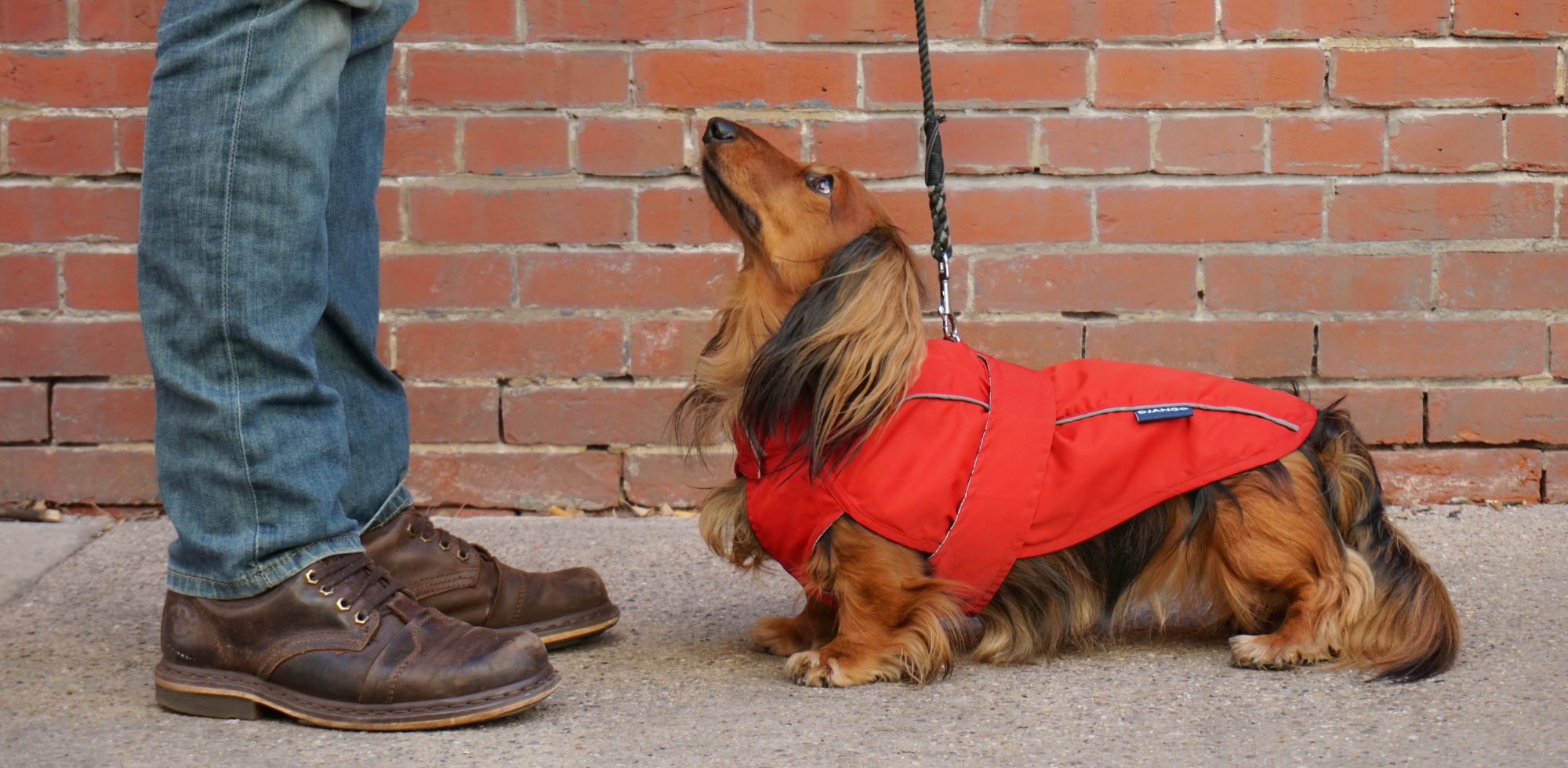
Our home is loud and busy in the best way. I have three young kids under the age of six, a thriving-but-exhausting dog gear business, and somewhere in the middle of the chaos is Django — our 10-year-old longhaired dachshund and my very first baby. I still clearly remember the day I brought him home and held him to my chest for the first time. He’s grown up alongside me, and now, he’s growing older alongside our family.
When my kids were babies, there were monitors for everything — sleep, breathing, movement. I could check on them at any moment. But as Django entered his senior years, I realized how easy it was to miss small changes in him, especially when life is busy. A longer nap here. A slower walk there. A skipped game of fetch that I might chalk up to a long day.
You know your dog better than anyone, but even the most attentive pet parents find themselves Googling things like “is my dog acting weird” or “why isn’t my dog his usual self.” Most of the time, the answer is harmless. Dogs have off days, lazy afternoons, and quieter moods just like we do. But sometimes, those everyday shifts are early clues that something deeper is going on.
Brands like Maven Pet are built around answering those quiet questions by helping owners spot patterns early with tools like a dog health tracker, but technology aside, it all starts with knowing what to look for at home.
Learning how to monitor your dog’s health at home does not require medical training or constant worry. It starts with watching trends over time and understanding which shifts deserve a closer look.
Here are seven everyday signals veterinarians say are worth paying attention to — and how thoughtful observation, with or without the help of dog health tracking tools, can help you stay one step ahead.
7 Dog Health Signals Pet Parents Shouldn’t Ignore
1. Sleep That Suddenly Looks Different
Dogs sleep a lot, but sudden changes in sleep patterns can be meaningful. A dog who starts sleeping far more than usual, struggles to settle at night, or seems restless after bedtime may be dealing with stress, discomfort, pain, or early illness.
What to notice at home
Pay attention to how easily your dog falls asleep, whether they wake frequently, and if they seem groggy or unusually tired during the day. A single odd night is not a concern. A pattern lasting several days is worth noting.
Why trends matter
Sleep is often one of the first things to shift when a dog does not feel quite right. Tracking rest quality over time, whether through observation or tools like a dog sleep tracker, helps separate a lazy weekend from a genuine change in wellbeing.

2. A Drop in Playfulness or Energy
When a dog loses interest in play, it often shows up before obvious symptoms. Skipping fetch, ending walks early, or ignoring favorite toys can signal fatigue, soreness, emotional stress, or early illness.
What to notice at home
Watch whether your dog avoids certain movements, hesitates before running or jumping, or seems less excited when you initiate play. Compare today’s energy to what is normal for your dog, not what seems normal in general.
Why trends matter
Energy dips are easy to dismiss at the moment. Looking at overall activity patterns, including daily movement levels, can reveal changes more clearly. Some owners use a dog activity tracker to help spot gradual declines that memory alone might miss.
3. Slower Walks or Hesitation With Movement
A dog who suddenly walks more slowly, lags behind, or hesitates on stairs may be experiencing joint discomfort, muscle strain, or general soreness. This can happen in dogs of any age, not just seniors.
What to notice at home
Look for stiffness after rest, longer warm-up times, or reluctance to climb, jump, or change positions. Even subtle hesitation can be meaningful if it persists.
Why trends matter
Movement changes often appear gradually. Seeing how activity shifts over days or weeks helps determine whether this is a temporary sore day or a steady decline worth addressing.
4. Increased Scratching, Licking, or Head Shaking
Repeated scratching, paw licking, or head shaking is often linked to allergies, skin irritation, or ear discomfort. Stress can also amplify these behaviors.
What to notice at home
Check for redness, hot spots, frequent ear scratching, or one paw receiving more attention than the others. Occasional scratching is normal. Repetitive behavior is not.
Why trends matter
Behavior patterns provide important context. Tracking recurring itch-related behaviors, whether manually or with support from tools like a dog itch tracker, helps clarify whether an issue is environmental, seasonal, or escalating.
5. Panting or Faster Breathing at Rest
Panting after exercise is normal. Panting while resting, breathing faster during sleep, or struggling to settle in cool environments can point to pain, stress, overheating, or heart and lung concerns.
What to notice at home
Observe breathing during calm moments, especially at night. Notice whether it seems faster, heavier, or more labored than usual.
Why trends matter
Breathing patterns are difficult to assess with one quick glance. Watching how they change over time, including resting respiratory rate, gives a more reliable sense of what is normal. Some pet parents rely on a dog respiratory rate tracker to help monitor these subtle shifts.

6. Changes in Appetite or Water Intake
Eating less, eating more, or drinking significantly more water than usual can signal stress, digestive issues, hormonal changes, or illness.
What to notice at home
Look for skipped meals, slow eating, sudden thirst, or changes in bathroom habits. Appetite shifts often connect with other subtle changes like activity or sleep.
Why trends matter
Seeing how water intake changes alongside rest and activity can reveal useful patterns. Tools such as a dog drinking tracker can help owners understand whether increased thirst is a one-off or part of a broader trend.
7. Shifts in Social Behavior or Mood
Dogs express discomfort emotionally as well as physically. Some withdraw and seek solitude. Others become unusually clingy or anxious.
What to notice at home
Notice whether your dog avoids family spaces, hides more often, or suddenly needs constant reassurance. Compare this behavior to their usual temperament.
Why trends matter
Behavior changes rarely happen alone. When paired with shifts in sleep, activity, breathing, or even heart rate, they offer valuable insight into your dog’s overall wellbeing. Some owners also pay attention to long-term heart trends with support from tools like a dog heart rate tracker.
Monitoring Dog Health Works Best When It Is Consistent
One-off checks rarely tell the full story. What matters most is pattern recognition over time. When pet parents rely only on memory, it is easy to underestimate how long something has been changing or how often it occurs.
Many owners now support their observations with continuous health tools like Maven Pet, which was co-created with veterinarians and designed to surface subtle changes before symptoms become obvious. These tools do not replace veterinary care. They help pet parents arrive at appointments with clearer timelines and better questions.
Prevention Is Calmer Than Panic
Catching small changes early often leads to calmer vet visits, clearer answers, and fewer emergency surprises. It can also reduce the emotional and financial stress that comes with sudden health scares. Monitoring your dog’s health at home does not mean worrying constantly. It means paying attention, staying curious, and trusting patterns over panic.
Your dog may not be able to tell you when something feels off. But their everyday behaviors often whisper clues. When you learn how to listen, and when you support your instincts with the right information, you give your dog a better chance at staying healthy, comfortable, and happy for years to come.
About Our Maven Pet Dog Health Tracker
The Maven Pet Dog Health Tracker is a lightweight, wearable device designed to help pet parents monitor everyday health trends at home. It tracks key indicators like activity, sleep, respiratory rate, heart rate, scratching, and drinking habits—giving owners a clearer picture of what’s normal for their dog over time.
Rather than diagnosing illness, the tracker focuses on patterns. Subtle shifts that are easy to miss day to day become easier to spot when viewed over weeks or months. This can be especially helpful for aging dogs, dogs with chronic conditions, or busy households where routines change often.
Maven Pet was co-created with veterinarians and is designed to support—not replace—professional care. The goal is to help pet parents arrive at vet visits with better context, clearer timelines, and more informed questions.
Dog Health Monitoring FAQs
How can I monitor my dog’s health at home?
Start by watching everyday patterns in sleep, energy, appetite, movement, breathing, and mood. One-off changes happen, but trends over several days (or weeks) are often meaningful and may be suggestive of an underlying health change. For many pet parents, dog health trackers like Maven Pet are a helpful way to measure those observations and catch subtle shifts earlier.
What are early signs that something might be wrong with my dog?
Early signs may include changes in sleep, reduced playfulness, slower walks, increased scratching, panting at rest, loss of appetite or hydration, and mood or social behavior changes. If you notice any concerning changes in your dog's behavior, visit a licensed veterinarian.
When should I call the vet about my dog’s symptoms?
If your dog's symptoms are sudden, severe, or worsening — or you notice breathing difficulty, extreme lethargy, collapse, or signs of pain — contact your veterinarian immediately. You can also take your dog to a 24/7 emergency animal hospital for urgent care. For milder changes, tracking your dog's patterns over a few days or weeks can help you decide if the underlying issue is persisting.
What is a dog health tracker?
A dog health tracker is a wearable device that helps monitor health trends over time, such as activity and sleep. Many of the more popular pet health trackers, including Maven Pet, also track metrics like heart rate, respiratory rate, itch behavior, and drinking patterns. These tools are designed to support awareness and observation by helping pet parents spot patterns that can be easy to overlook day to day.
Are dog health trackers helpful for senior dogs?
Yes. For aging dogs, gradual changes can be easy to miss day-to-day. Canine health tracking tools can help highlight subtle shifts so you have clearer context when talking with your vet.