




Dogs’ paws are built to handle winter very differently than ours, but not in the ways most people think. With snow, ice, and sidewalk salt everywhere right now, here’s a quick, science-backed myth-vs-fact guide to help you make smarter choices on winter walks with your four-legged family.
- Dogs and snow (yes, but with limits)
- Sidewalk salt and paw irritation
- If I’m warm enough, my dog is too
- Do dogs need multiple cold-weather apparel layers?
- Frostbite risk
- Booties and paw wax: functional or unnecessary?
- Quick winter walk checklist
- The simple takeaway
- Explore DJANGO
1. Myth or Fact: Dog paws can handle snow better than our bare feet
True, but with limits.
Dog paw pads are built differently than human skin. They have thicker outer layers, fatty tissue for insulation, and a specialized blood-flow system that helps retain warmth. That’s why dogs can usually walk on snow briefly without the pain we’d feel if we walked barefoot.
But paws aren’t cold-proof. Cold still pulls heat from the body faster on ice, wet snow, and windy days. Small dogs, seniors, and thin-coated breeds lose warmth more quickly.
Watch for signs: lifting a paw, hopping, slowing down, or hesitating = “this is too cold.”

2. Myth or Fact: Sidewalk salt is bad for dog paws
True.
Most de-icing salts work by pulling moisture out of ice, and they can do the same to paw pads. This can lead to dryness, cracking, irritation, and (in some cases) mild chemical burns.
Salt and grit can also get trapped between toes. Many dogs lick residue off their paws after a walk, which can cause drooling or an upset stomach.
Simple habit: wipe or rinse paws with lukewarm water after salty walks, then dry well.
3. Myth or Fact: If I’m warm enough, my dog is too
False.
Dogs lose heat differently than humans. They’re closer to the ground, exposed to colder surfaces, and affected more by wind and moisture — even when we feel “fine.”
Cold, windy, or wet conditions often matter more than the temperature alone.
Watch for signs: slowing down, tucked tail, shivering, or reluctance to keep walking.
Helpful gear:
Shop Winter Outerwear Shop Harnesses4. Myth or Fact: Dogs don’t need layers — one coat is enough
Mostly false.
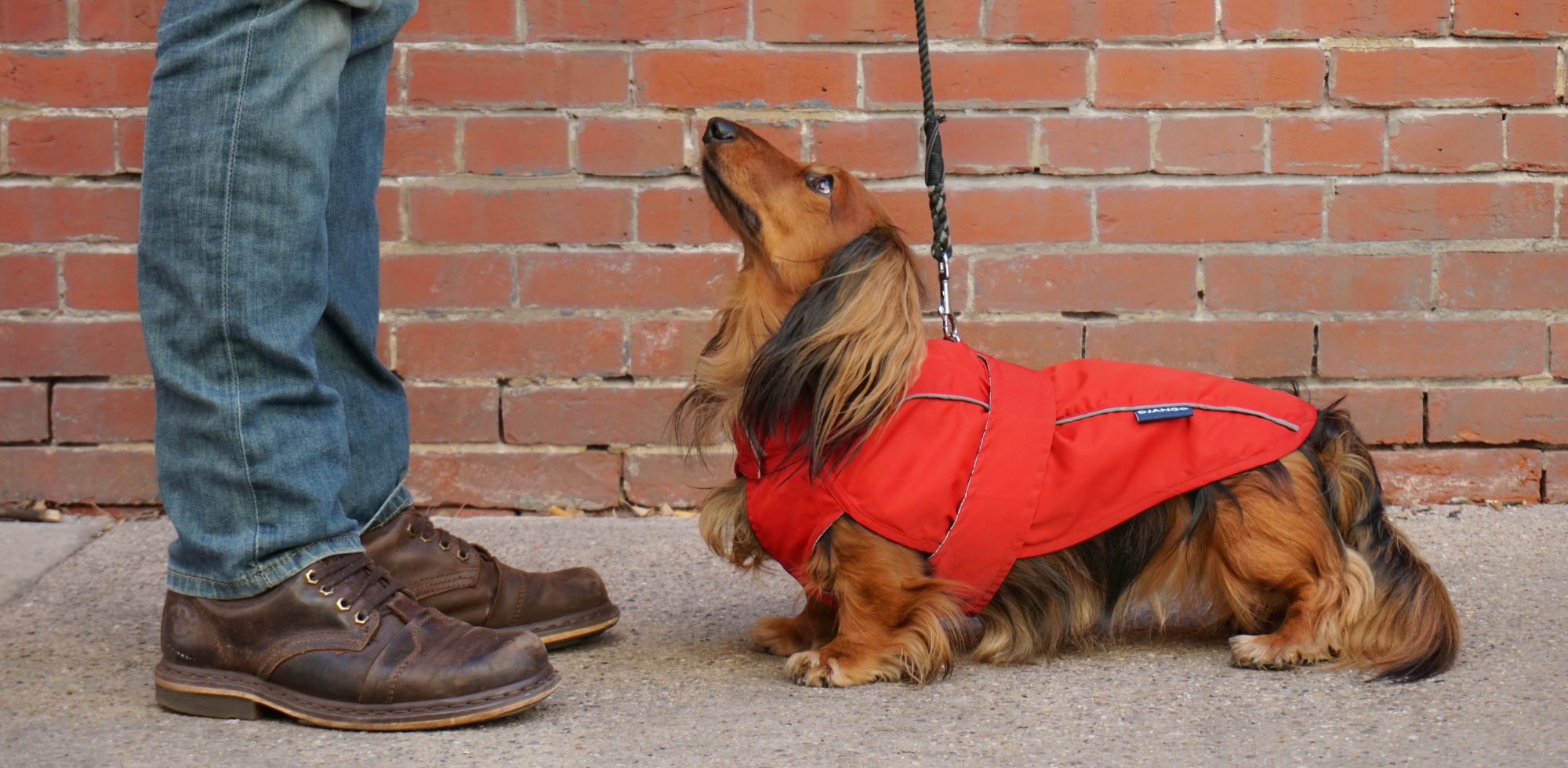
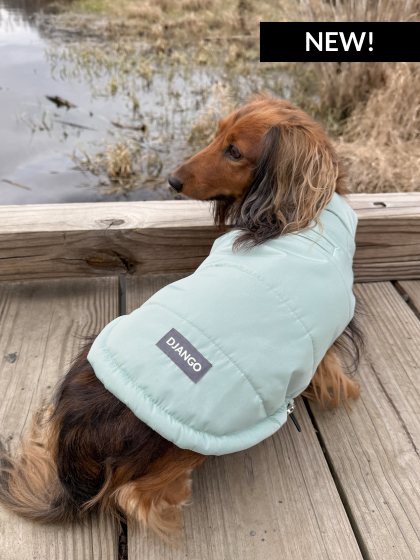
On mild winter days, a single well-fitting coat is often plenty. But during the coldest, windiest, or iciest weather, layering can be both protective and important for safety.
Just like humans, dogs lose heat faster in extreme conditions — especially through the chest, belly, and core. Adding layers helps trap warm air close to the body and reduces heat loss when temperatures drop sharply.
Layering can be especially helpful for:
- small dogs
- senior dogs
- thin-coated breeds
- dogs spending extended time outdoors
Think function, not bulk. The goal is warmth and mobility, not stiffness or restriction. Well-designed layers should fit comfortably and allow natural movement.
Layering tip: start with a warm mid-layer, then add a wind/water-resistant outer layer when it’s wet, windy, or extra cold.
Helpful gear:
Shop Winter Coats Shop Puffer Coats Shop Dog Hoodies
5. Myth or Fact: Frostbite doesn’t really happen to dogs
False.
It’s uncommon — but it happens. Most at risk are paws, ears, and tail tips, especially with wind, wet fur, and longer exposure in extreme cold.
Smart move: shorten walks during brutal weather and prioritize warmth over distance.
Explore Warm Winter Coats6. Myth or Fact: Dog booties and paw wax are gimmicks
Mostly false.
Well-made, functional dog booties and paw wax can be genuinely helpful in winter. (The fluffy fashion boots that look like tiny UGGs… we have opinions.)
- Booties: help protect from salt, ice, and abrasive surfaces
- Paw wax: adds a protective barrier to reduce cracking and ice buildup
They’re especially helpful for city dogs and frequent winter walkers.
Quick Winter Walk Checklist
- Choose shorter walks on icy, windy, or wet days
- Rinse or wipe paws after salted sidewalks, then dry well
- Watch for paw lifting/hopping/hesitation (too cold)
- Look for shivering or reluctance to continue (time to head in)
The simple takeaway
Dogs are resilient — but winter still takes a toll. A few small habits go a long way toward keeping walks comfortable, safe, and enjoyable all season long.
If you ever want help figuring out what works best for your dog, we’re always happy to help.
Need sizing help? Email us at hello@djangobrand.com with your dog’s breed, weight, and chest girth (if you have it) and we’ll point you to the best fit.

Explore DJANGO
If you’re looking for winter-ready, everyday-walk essentials, here are a few places to start:
Shop DJANGOQuick FAQs
How cold is “too cold” for a dog walk?
It depends on size, coat type, age, and wind/wet conditions. If your dog starts lifting paws, shivering, slowing down, or trying to turn back, that’s your cue to shorten the walk and warm up.
Do dogs really need a winter coat?
Many do—especially small dogs, seniors, thin-coated breeds, and dogs who spend longer outdoors in wind or wet snow. Coats help protect the chest and belly where dogs lose heat quickly.
What’s the easiest winter routine after a walk?
Quick paw rinse or wipe (especially after salt), dry thoroughly, and check between toes for grit or ice. It takes 30 seconds and can prevent irritation.